3 products
Rolling Meadows DTF Transfer
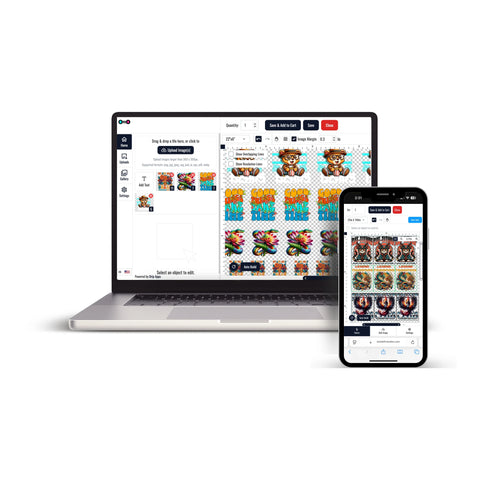


Rolling Meadows DTF Transfer options give businesses, apparel decorators, teams, organizations, and individual creators a practical way to prepare custom graphics for apparel projects. DTF transfers can support branded clothing, team apparel, event merchandise, customer orders, and repeat designs.
Before ordering, start with the finished garment and artwork requirements. Confirm the final design dimensions, quantity, placement, and whether individual transfers or a gang sheet better fits the production workflow.
DTF Transfers for Rolling Meadows Apparel Projects
Rolling Meadows has an active calendar of community events, recreation programs, teams, and local organizations. That creates practical apparel needs ranging from business shirts and team clothing to event merchandise and promotional garments.
- Business and employee apparel
- Custom T-shirts and hoodies
- Team and organization clothing
- Event merchandise
- Promotional apparel
- Community group projects
- Repeat customer designs
For a broader selection of apparel transfer options, explore our DTF Transfers.
Prepare Artwork Before Ordering
A well-organized DTF order starts with final artwork. Review every design before submitting it and confirm that the file matches the version intended for the garment.
- Check spelling, names, numbers, and dates
- Confirm the final design dimensions
- Review artwork orientation
- Identify the intended garment placement
- Separate different artwork variations
- Confirm the quantity required for each design
Individual Transfers or Gang Sheets?
Individual transfers can be useful when each graphic already has a defined size and quantity. This format makes it easier to organize separate logos, shirt graphics, names, numbers, or other artwork variations.
Projects involving multiple graphics, repeated logos, different artwork sizes, or several customer designs may be better organized using DTF Gang Sheets.
The better format depends on the artwork dimensions, required quantities, and how the transfers will be handled during apparel production.
DTF Transfers for Rolling Meadows Businesses
Business apparel projects may involve employee shirts, branded clothing, promotional apparel, merchandise, or recurring logo designs. These orders can be easier to manage when artwork is organized by design, dimensions, garment placement, and quantity.
If the same logo or graphic will be ordered again, keep the approved artwork and intended dimensions clearly identified. This can simplify preparation for future orders.
Team, Organization, and Event Apparel
Rolling Meadows teams, clubs, organizations, and community events may require several artwork variations within the same project. Names, numbers, different garment sizes, and multiple design placements can all affect the transfer plan.
Before ordering, create a final list of each artwork variation and the quantity required. Clear file naming can help keep similar graphics organized during pressing.
Plan Larger or Repeat DTF Orders
For larger apparel projects or recurring orders, organize the work by artwork and transfer requirements rather than treating every garment as identical.
- Group identical graphics together
- Separate designs that require different dimensions
- Confirm quantities for each artwork version
- Keep approved repeat designs clearly labeled
- Choose individual transfers or gang sheets based on the workflow
Prepare for Heat Press Application
DTF transfers are designed for apparel application using a heat press. Application requirements can vary, so use the instructions provided for the specific transfer rather than assuming that one temperature, pressing time, pressure, or peel method applies to every project.
For repeat or larger runs, confirm the garment, transfer placement, and pressing setup before beginning full production.
Choose the Right Rolling Meadows DTF Transfer Format
A well-planned Rolling Meadows DTF Transfer order starts with the final garment, approved artwork, design dimensions, and required quantities. From there, choose the transfer format that best fits the way the apparel will be produced.
This approach can make projects easier to organize for local businesses, teams, organizations, community events, merchandise programs, and repeat customer orders.
Let customers speak for us
Great interface and service!

I was very happy

Absolutely wonderful

GREAT START TO A WONDERFUL BUSINESS RELATIONSHIP

Awesome
Loved the friendly and professional customer service. Quick turnaround. I would definitely use this company again for my last minute printing needs.
Always amazing! That’s why I keep returning!
This place is awesome!!
Great service, great quality product, only DTF provider we will use for our business.
Always great quality!!!
Love it!
Always awesome!
I thought they were great. The prices are reasonable and the delivery was next day - can't beat that!!
Customer was happy with the product.
Amazing service!