3 products
Wheeling DTF Transfer
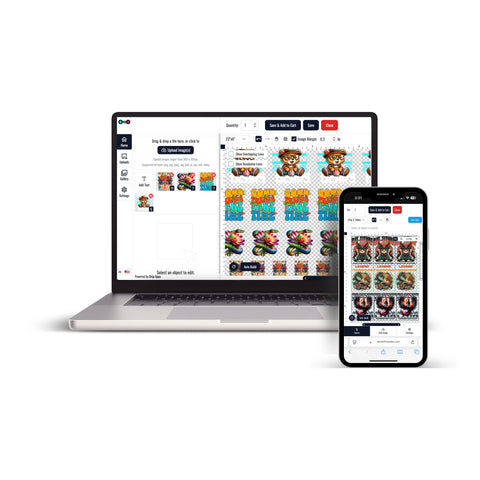


Wheeling DTF Transfer is a useful search option for businesses, apparel decorators, organizations, and individuals looking for custom transfers for garment projects. Direct-to-Film transfers allow prepared artwork to be applied to compatible apparel using a heat press, making them suitable for projects ranging from individual designs to larger production runs.
Instead of treating DTF as a general printing method for mugs, glass, and other hard surfaces, it is important to distinguish apparel DTF transfers from UV DTF products designed for compatible hard-surface applications.
What Are DTF Transfers?
DTF transfers are created by printing artwork onto transfer film and preparing the printed design for heat application. The finished transfer can then be pressed onto compatible garments and textile products.
Common apparel projects can include:
- Custom T-shirts
- Hoodies and sweatshirts
- Team and organization apparel
- Branded workwear
- Event merchandise
- Tote bags and other compatible textile items
For the buyer, the main task is not choosing printing equipment. It is preparing the artwork, determining the required transfer dimensions and quantities, and selecting the ordering method that fits the apparel project.
Choosing DTF Transfers for a Wheeling Project
Before ordering, start with the garment and the finished design rather than choosing a transfer based only on price. Knowing where the artwork will appear and how large it needs to be makes it easier to prepare an order that fits the intended apparel.
- Identify the garments that will receive the transfers
- Determine the final dimensions of each design
- Check the artwork before submitting the order
- Calculate the quantity required for the production run
- Separate different artwork sizes or design variations when necessary
This planning becomes especially important when an order contains multiple garment sizes, several designs, or repeated graphics.
Individual Transfers or Gang Sheets?
Not every DTF order needs to be organized the same way. A project built around individual graphics has different planning requirements from one that combines several designs onto a gang sheet.
Individual transfers can be useful when you already know the dimensions and quantities required for specific placements. Gang sheets can be considered when a production run involves multiple graphics that can be organized together efficiently.
The better option depends on the artwork, required dimensions, quantities, and how the transfers will be used during apparel production.
Prepare Artwork Before Ordering
Artwork preparation can affect the efficiency of the entire project. Before submitting a design, confirm that the file represents the version you actually intend to print.
- Check spelling, names, numbers, and dates
- Confirm the intended design dimensions
- Review the artwork orientation
- Make sure important design elements are not accidentally missing
- Separate different versions when the project uses multiple designs
A final artwork check is particularly useful for business logos, team apparel, event merchandise, and repeat orders where a small file error could affect multiple garments.
Planning DTF Transfers for Business Orders
Businesses using Wheeling DTF Transfer options may need more than a single custom graphic. Branded apparel projects can involve employee shirts, promotional clothing, customer merchandise, event apparel, or recurring designs.
For these orders, organize quantities before production begins. Record which design belongs to each garment type and size, and keep repeat artwork clearly identified. A simple production plan can make it easier to manage larger batches without mixing designs or quantities.
DTF Transfers for Teams, Groups, and Events
DTF transfers can also support apparel projects involving teams, clubs, organizations, and events. These orders often contain variations such as different names, numbers, garment sizes, or design placements.
Before ordering transfers for a group project, create a final quantity list and verify every variation. When several versions of similar artwork are involved, clear file naming and order organization can reduce confusion during pressing.
How to Compare Wheeling DTF Transfer Options
When evaluating an ordering option, focus on what the project actually requires rather than relying on broad claims such as “best,” “cheapest,” or “fastest.” Those terms do not determine whether a transfer is appropriate for a specific production plan.
Instead, compare practical factors such as:
- Available ordering format
- Required transfer dimensions
- Number of designs
- Total transfer quantity
- Artwork readiness
- How the transfers will be organized during production
This approach gives businesses and individual buyers a clearer basis for choosing how to order their transfers.
Planning Larger DTF Transfer Orders
Larger apparel runs require more organization than simply increasing the number of transfers. Before placing a larger order, separate the project by artwork, garment type, transfer size, and quantity.
If the same design will be reordered later, keeping the approved artwork and its intended dimensions organized can also make future order preparation easier.
Choose the Right DTF Transfer Format
A successful Wheeling DTF Transfer project starts with clear artwork and a realistic production plan. Determine what you are decorating, how large each design should be, how many transfers are required, and whether individual transfers or a gang sheet better fits the job.
By making those decisions before ordering, you can build a more organized workflow for custom apparel, branded merchandise, team clothing, event garments, and other DTF transfer projects.
Let customers speak for us
My transfer have always come out beautifully and the customer service is top tier.

Great product. Easy to pick up at business after business hours.
I was able to press on without any problems and it looks great.

Always absolutely amazing prints and speedy delivery time
As always, friendly, supportive and professional

The shipping and quality of the products ordered are always great!
Me encanta lo rápido que son para realizar las órdenes gracias
Love how quickly these are printed as well as the easy of ordering and quality.
So far I am loving the work
The quality of these prints was great, especially for the price! I loved being able to grab them 24/7 too, made it a lot easier for me

The transfers were great!
Had ready in a few hours and pickup after hours is great!
Quick and customer service was out of this world. They will always have me as a customer.
Great quality and service. Will be sure to use again.
thank you everything always !
DTF Transfer Ohio has been very patient with me and my senior friends.
It’s so convenient I can pick up the order the same day. They’re 15 minutes away.